
Borsa için API
Bir kripto borsasını blockchain verisine, canlı fiyatlara, işlemlere, adreslere, bloklara ve ürünü inşa etmek için gereken hizmetlere bağlamak için API altyapısı.
- Blockchain Data
- Market Data
- Real-Time API
- Historical Data
- Wallet Addresses
- Developer Docs
Exchange API Stack
Blockchain Nodes
Market Sources
Tx / Block / Address
BrokerLauncherbit Core Hub
Aggregation · Normalization · Cache
API Gateway · REST · WebSocket · Auth
Exchange Backend
Core / Wallet
User Dashboard
Market View
Analytics
Reports
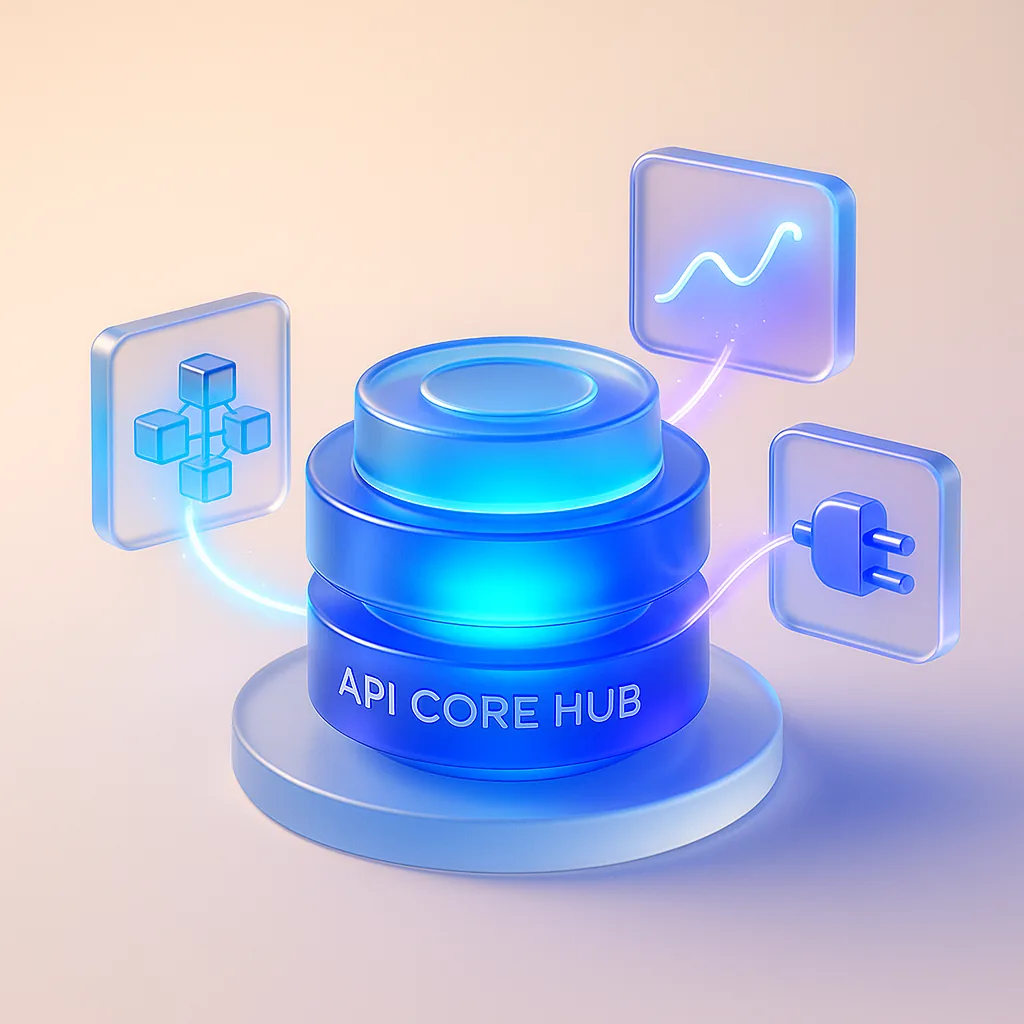
Kripto borsaları için API — BrokerLauncherbit
Kripto para piyasası büyüdükçe, blockchain verisine ve market data'ya hızlı ve doğru erişim, borsalar için bir rekabet avantajı haline geldi. BrokerLauncherbit API bu veri katmanını borsa geliştiricilerine ve işletmelerine sunar; böylece her ağı ayrı ayrı entegre etmeden canlı fiyatlara, işlemlere, bloklara ve cüzdan adreslerine erişebilirler.
Bu sayfa, borsa API'sinin ürün altyapısındaki rolünü, sunulabilen veri türlerini, Core Hub ve Gateway'i, geliştirici deneyimini ve borsa back-end'i ile entegrasyon yolunu açıklar.
Kripto borsası için API nedir?
API, borsa yazılımı ile veri hizmetleri arasındaki iletişim katmanıdır — fiyat, işlem, blok ve adres akışlarını programatik olarak borsa ürününe iletir.
Her blockchain ağına ayrı bağlantılar kurmadan, bir borsa API'si market gösterge paneli, cüzdan, raporlama ve borsanın fiyatlandırma motoru için gereken veriyi sağlayabilir. Bu katman, borsa operatörlerinin ve geliştiricilerin daha hızlı ve daha güvenilir bir ürün inşa etmesine yardımcı olur — hizmet planı kapasitesine ve proje ihtiyaçlarına göre ölçeklenir.
Market Data
Market data
Borsanın gösterge paneli ve fiyatlandırma motoru için canlı fiyatlar, işlem hacimleri, günlük değişimler ve zaman serileri.
Blockchain Data
Blockchain data
Ana ağlardaki işlemler, bloklar, cüzdan adresleri ve bunların geçmişi — cüzdanlar, monitoring ve raporlama için.
Developer Integration
Geliştirici entegrasyonu
Dokümantasyon, kod örnekleri, API Key kimlik doğrulama, REST ve WebSocket — veri katmanı üzerinde ürün inşa etmek için daha hızlı bir yol.
Küresel blockchain erişimi
Birden fazla blockchain ağına ve veri hizmetine bağlanmak için tek bir API katmanı — kararlı, birleşik erişim, altyapıya ve hizmet planına göre ölçeklenir.
Ana ağlar
Bitcoin, Ethereum ve mevcut diğer zincirler gibi ana blockchain ağlarına bağlantı — plana ve proje kapsamına göre ölçeklenir.
Gerçek zamanlı veri
REST ve WebSocket üzerinden canlı fiyatlar ve ağ olayları — market gösterge paneli ve borsanın karar motoru için.
Geçmiş veri
Analitik, raporlama, denetim ve zaman serileri için işlem, fiyat ve adres olaylarının geçmişi.
Daha kolay entegrasyon
Her ağı ayrı ayrı entegre etmek yerine, tek ve standartlaştırılmış bir API katmanı — geliştirme süresinden ve maliyetten tasarruf.
Gerçek zamanlı veri iletimi
Blockchain kaynağından borsa gösterge paneline dört adımlı bir yol — kararlılık, ölçeklenebilirlik ve düşük gecikme (latency) için tasarlandı, hizmet planına göre ölçeklenir.
- 01
Blockchain Nodes
Ana ağların dağıtık nodeları — işlemlerin, blokların ve adreslerin birincil kaynağı.
- 02
Core Hub
Tüketicilere iletim için toplama, normalizasyon, cache ve veri hazırlığı.
- 03
API Layer
İstekleri karşılamak için Gateway, Auth, Rate Limit ve REST/WebSocket kanalları.
- 04
Exchange Platform
API'ye bağlı borsa back-end'i, cüzdan, gösterge paneli ve finansal hizmetler.
Blockchain verisine kolay erişim
API aracılığıyla borsanın ve geliştiricilerin kullanımına sunulan sekiz temel veri grubu.
İşlemler
Gönderen, alıcı, tutar, ücret, durum ve timestamp dahil gerçekleştirilen işlemlerin detayları.
Bloklar
Blok bazında zincir verisi — oluşturulma zamanı, işlem sayısı, block hash ve parent hash.
Cüzdan adresleri
Cüzdan monitoringi için bakiye, işlem geçmişi, olay sayısı ve adres davranışı.
İşlem geçmişi
Bir adres veya bir sembol için işlemlerin zaman serileri, tarih aralığına göre filtrelenebilir.
Canlı fiyatlar
Desteklenen döviz çiftleri ve tokenlar için Tick, Ask/Bid ve orta fiyat.
İşlem hacmi
Market gösterge paneli için farklı aralıklarda piyasa hacmi, günlük değişimler ve zaman serileri.
Market data
Genel piyasa bilgileri, sıralamalar, fiyat değişimleri ve sektör geneli göstergeler.
Geçmiş veri
Fiyat, hacim ve blockchain olaylarının zaman serileri — analitik, raporlama ve back-test için uygun.
Geliştirici öncelikli tasarım
Dokümantasyon, kod örnekleri, teknik destek ve net bir entegrasyon yolu — böylece geliştiriciler entegrasyonu aşmakla değil, ürünü inşa etmekle ilgilenir.
API dokümantasyonu
REST ve WebSocket referansı, endpoint açıklamaları, veri modelleri ve hata kodları — onboarding sürecinde teslim edilir ve proje kapsamına göre ölçeklenir.
Kod örnekleri
API'yi çağırmak ve WebSocket tüketmek için popüler dillerde (Node.js, Python vb.) snippet'ler — geliştirmeyi hızlandırır.
Teknik destek
Entegrasyon, sorun giderme, tüketim tuning'i ve kullanım deseni tasarımı sırasında mühendislik ekibinin eşliği — hizmet planına göre uyarlanır.
Entegrasyon yolu
API Key verilmesinden Staging testine ve Production'a geçişe kadar şeffaf bir yol, borsa back-end'inin ihtiyaçları gözden geçirilerek.
BrokerLauncherbit Core Hub — veri toplama merkezi
Blockchain nodelarından borsa gösterge paneline veri akışını oluşturan altı katman — merkezileştirilmiş, güvenilir veri ve optimum performans için tasarlandı.
Layer 01
Blockchain Networks / Nodes
Birincil kaynaklar — ana ağların dağıtık nodeları ve market kaynakları.
Layer 02
BrokerLauncherbit Core Hub
Veri toplama merkezi — nodelardan toplama, normalleştirme, cache'leme ve tüketime hazırlama.
Layer 03
Data Normalization
Her ağın veri formatını standartlaştırılmış API modeline birleştirme — istemci tarafından tüketime hazır.
Layer 04
API Gateway
API Key ile kimlik doğrulama, Rate Limit, istek yönlendirme ve REST/WebSocket kanalları.
Layer 05
Exchange Backend
Gateway'den tüketen borsa back-end'i — Core, Wallet, Order Engine ve finansal hizmetler.
Layer 06
Wallet / Market / Dashboard / Analytics
Nihai tüketim noktaları — kullanıcı cüzdanı, market görünümü, admin gösterge paneli ve raporlar.
Borsa operatörleri için kullanım senaryoları
Bir borsanın altyapısında en yaygın API tüketim senaryoları — market gösterge panelinden raporlama ve monitoring'e kadar.
Canlı fiyat gösterimi
Borsa kullanıcılarının kullandığı market sayfaları ve işlem araçları için fiyat streaming'i.
İşlem durumu kontrolleri
Confirmation'lar, Pending/Confirmed durumu, ağ hataları ve kullanıcı işlem takibi.
Cüzdan adresi monitoringi
Dahili cüzdanlar ve raporlama için bakiye, olaylar ve adres davranışı.
İşlem geçmişi
Kullanıcı gösterge paneli ve rapor dosyaları için işlem/transfer geçmişini getirme.
Market gösterge paneli
Fiyat, değişimler, hacim ve zaman serileriyle kapsamlı bir market gösterge paneli oluşturma.
İşlem hacmi analizi
Piyasa davranışı analizi, hacim deseni tespiti ve periyodik raporlar.
Cüzdan ve finansal hizmet entegrasyonu
Dahili cüzdanları ve borsanın finansal hizmetlerini veri katmanıyla entegre etme.
Raporlama ve monitoring
Yönetim raporlarını, KPI'ları dışa aktarma ve hizmet sağlığını izleme.
API güvenliği, kararlılığı ve operasyonları
API'nin operasyonel çerçevesi — kimlik doğrulama, tüketim kontrolü, monitoring, logging ve hizmet planına göre ölçeklenen kararlılık ve ölçeklenebilirlik için bir tasarım.
API Key ile kimlik doğrulama
API Key/Secret ile kimlik doğrulama, trafik şifreleme ve anahtar başına erişim seviyesi kontrolü.
Rate Limit ve tüketim kontrolü
Bir zaman penceresinde istek limitleri, kotalar ve burst politikaları — hizmet sağlığını korur.
Monitoring
Gecikme (latency), hataların, kullanımın ve back-end sağlığının gerçek zamanlı izlenmesi — dahili uyarılarla.
Logging
Denetim, sorun giderme ve uyum (compliance) raporları için istek ve hata olaylarının loglanması.
Error Handling
API istemcileri için standart hata kodları, net mesajlar ve kurtarma rehberliği.
Uptime ve ölçeklenebilirlik
Kararlılık, monitoring ve ölçeklenebilirlik için tasarlandı — hizmet planı kapasitesine ve üzerinde anlaşılan SLA'ya göre ölçeklenir.
BrokerLauncher borsa API'sini hayata geçirmede nasıl yardımcı olur?
Danışmanlık, API Layer tasarımı, blockchain ve market data'ya bağlantı, Core Hub, dokümantasyon ve Go-Live'a kadar teknik eşlik.
Borsanın veri ihtiyaçlarının ve proje kapsamının incelenmesi
API Layer'ın tasarımı ve REST/WebSocket endpoint'lerinin seçimi
Blockchain verisine ve ana ağların nodelarına bağlantı
Market Data'ya ve zaman serilerine bağlantı
Normalizasyon ve Cache ile Core Hub'ın tasarımı ve kurulumu
Kapsama göre uyarlanmış dokümantasyon ve kod örneklerinin hazırlanması
Nihai entegrasyon için borsanın back-end ekibiyle koordinasyon
Staging testi, monitoring ve Production'a geçiş
Kurulum ve operasyon döneminde teknik destek
İlgili hizmetler
Forex broker kurulumu
Şirket kuruluşundan broker Go-Live'a kadar tam altyapı.
Brokera özel CRM
MT5'e bağlı Client Cabinet ve Admin Panel.
Kripto ödeme geçidi
Yatırma ve çekme için USDT-TRC20.
Likidite sağlayıcı
Bridge bağlantısı ve forex likidite kaynağı.
Prop trading kurulumu
Challenge, Risk Engine ve Payout.
Kurumsal banka hesabı açılışı
Borsanın finansal akışı için kurumsal hesap.
MetaTrader 5 lisansı
MT5 sunucusunun temini ve kurulumu.
Drawdown eklentisi
Equity Stop Out ve risk kontrolü.
Borsa API'si hakkında sıkça sorulan sorular
Teknik olarak borsa API altyapınızı gözden geçirin
Danışmanlık görüşmesinde; veri ihtiyaçları, blockchain ağları, Market Data, Core Hub, dokümantasyon, güvenlik, istek hacmi ve borsa back-end'ine bağlanma yolu gözden geçirilir.